Hemolysis leads to hemolytic anemia (low
hemoglobin) and puts your organs at risk

Hemolysis can lead to health problems like:

  • Hemolytic anemia (low hemoglobin)
  • Yellowing of the skin and whites of the eyes (jaundice)

Complications from hemolysis can cause more damage to your body over time:

  • People living with sickle cell disease with low hemoglobin face an almost 3x-higher risk of organ damage

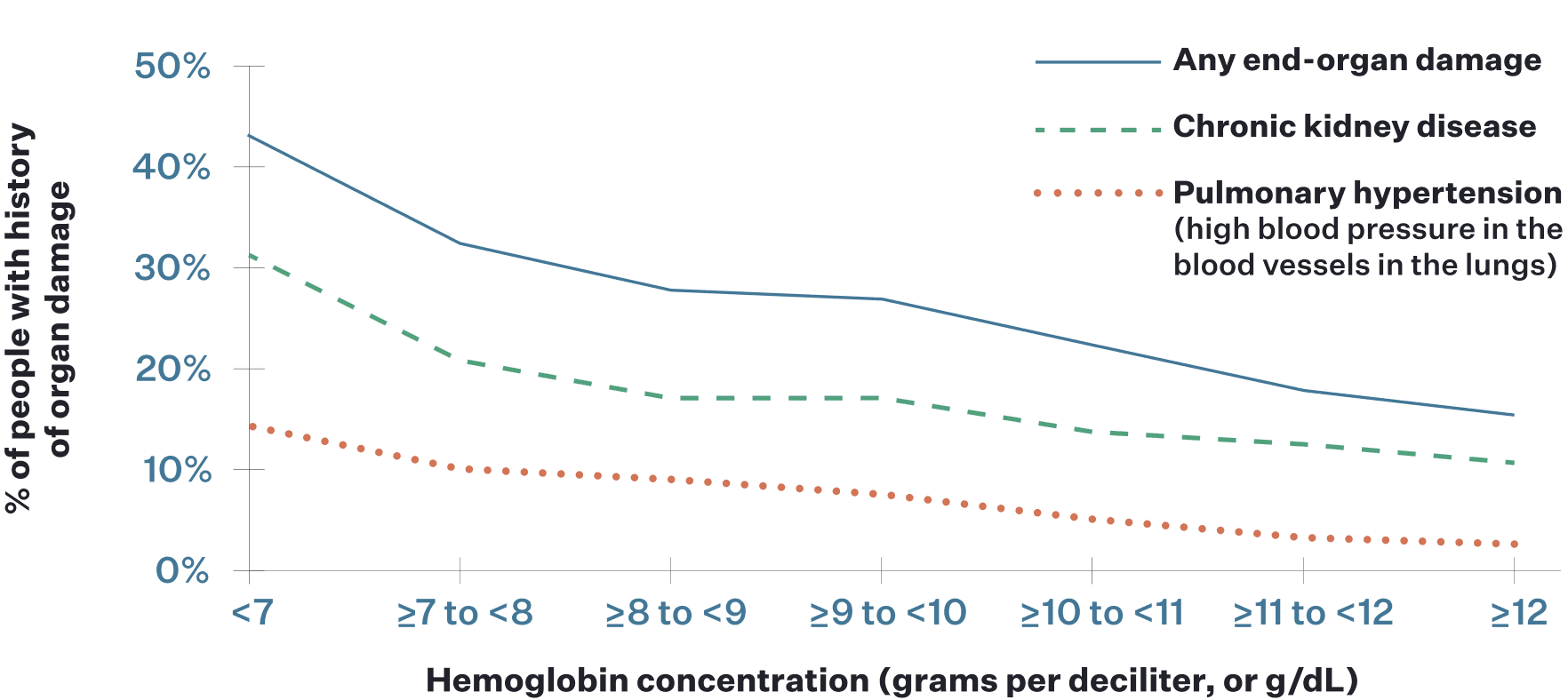
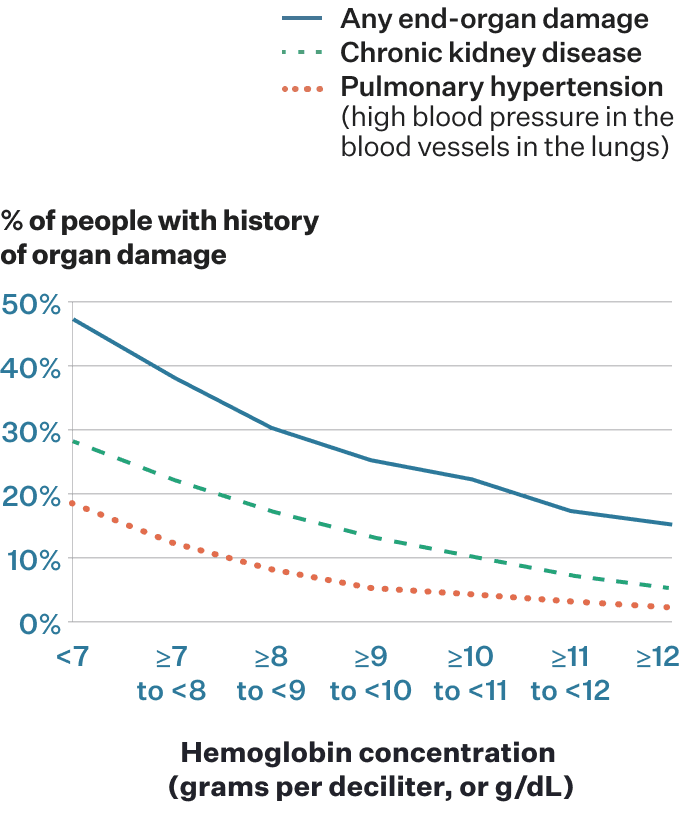
Lower hemoglobin levels are linked to higher rates of organ damage

History of end-organ damage at different hemoglobin levels

Line graph showing the relationship between hemoglobin concentrations and end-organ damage, chronic kidney disease, and pulmonary hypertension in sickle cell diseaseLine graph showing the relationship between hemoglobin concentrations and end-organ damage, chronic kidney disease, and pulmonary hypertension in sickle cell disease

This study examined health insurance records from January 1, 2012, through July 31, 2020, to better understand how hemoglobin levels are related to organ damage in people aged 12 years and older living with sickle cell disease. The study included more than 16,000 people aged 12 years and older who had at least 1 hemoglobin result. Researchers reviewed patients' records for 1 year after each test to see if any organ damage occurred.

Hemolysis, leading to hemolytic anemia (low hemoglobin), can damage the body over time—even when you don't feel it.
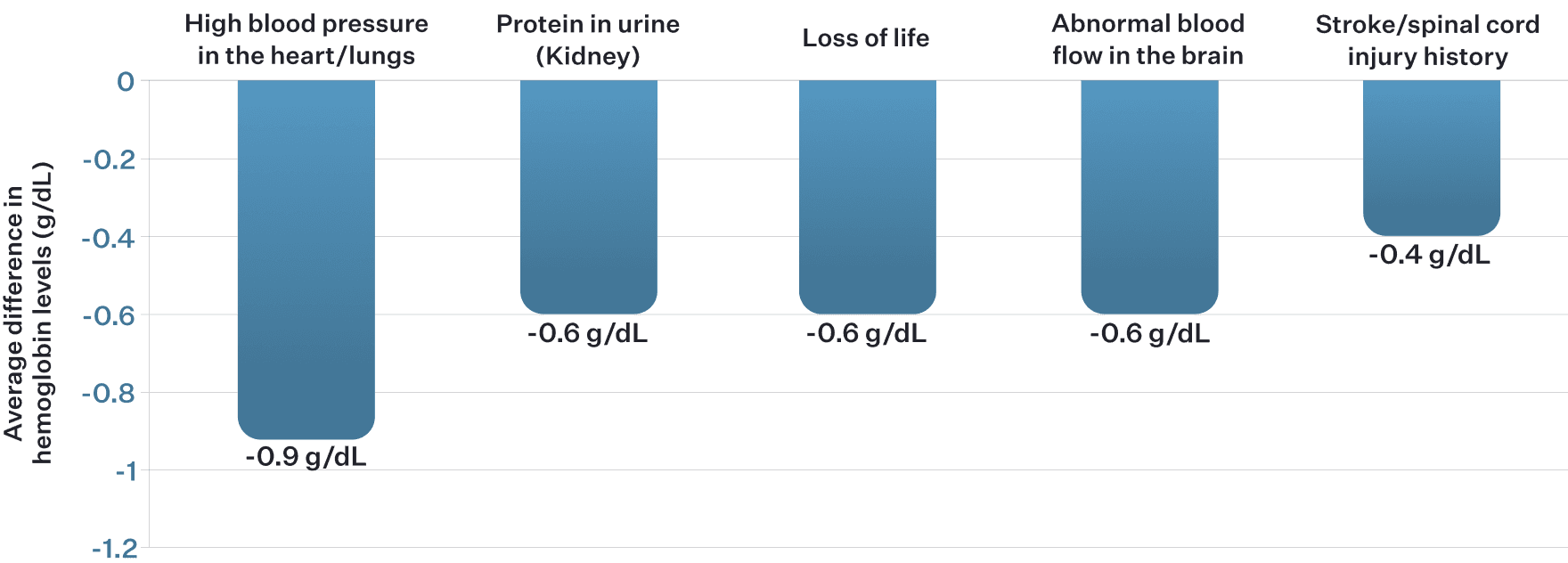
Even small decreases in hemoglobin are associated
with increased risk of organ damage and risk of
shorter lifespan

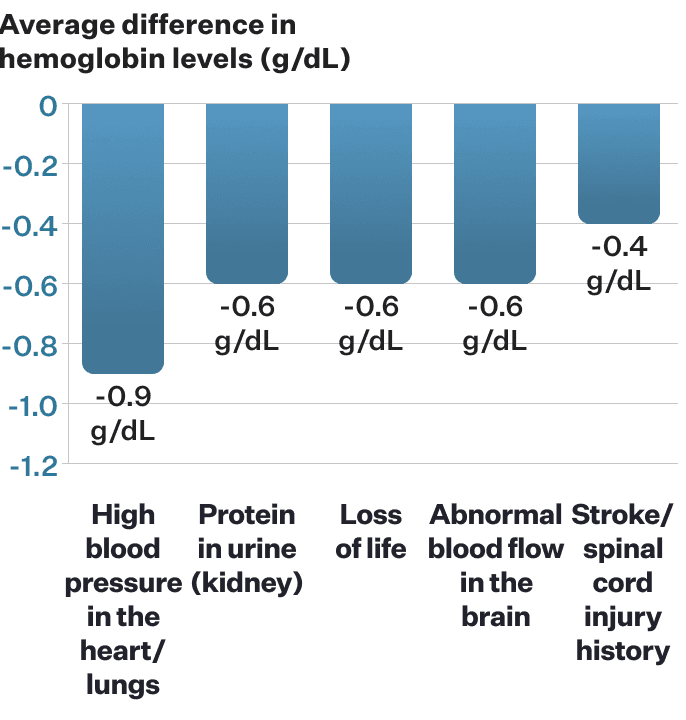
Average difference in hemoglobin levels for people with complications vs those without

Bar chart showing average difference in hemoglobin levels for people with complications versus those withoutBar chart showing average difference in hemoglobin levels for people with complications versus those without

Researchers reviewed 2820 publications (January 1, 1998, to February 26, 2019) and included 41 studies that examined hemoglobin levels and clinical outcomes in people with sickle cell disease. Studies covered various sickle cell types and therapies. They compared average hemoglobin levels between people who had specific complications and people who did not have those complications, and reported on the difference.
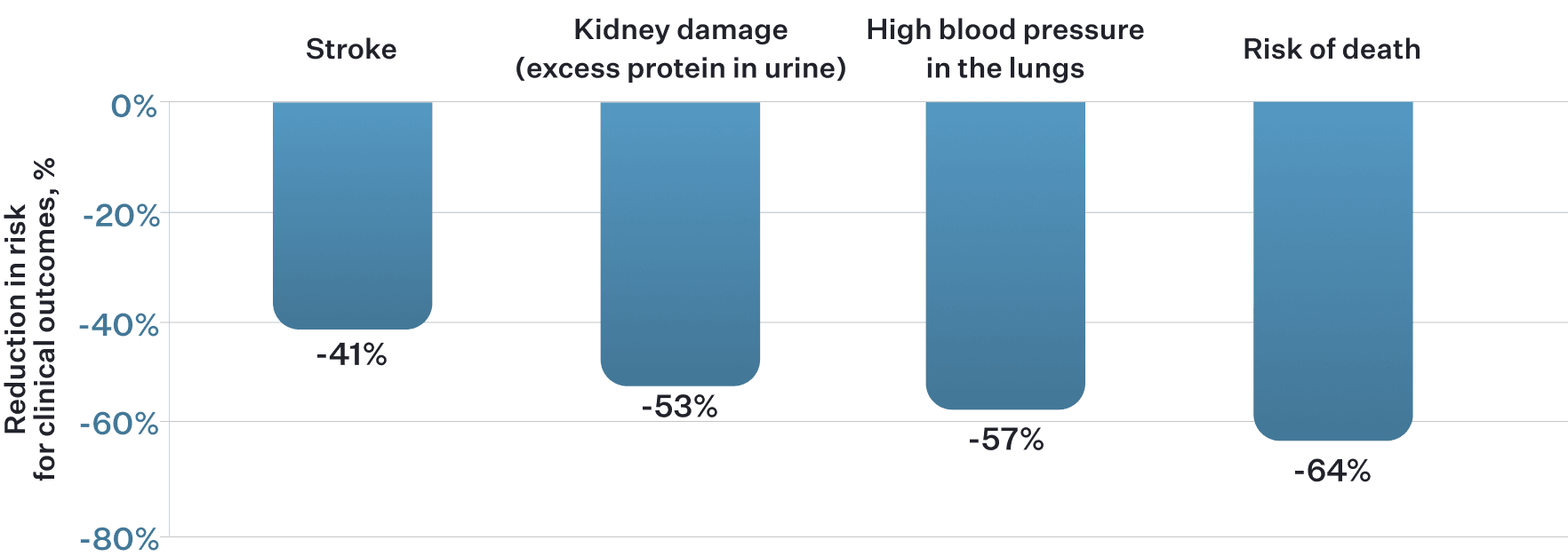
Increasing hemoglobin by at least 1 gram per deciliter (g/dL) is associated with lower risk of organ damage
and longer lifespan

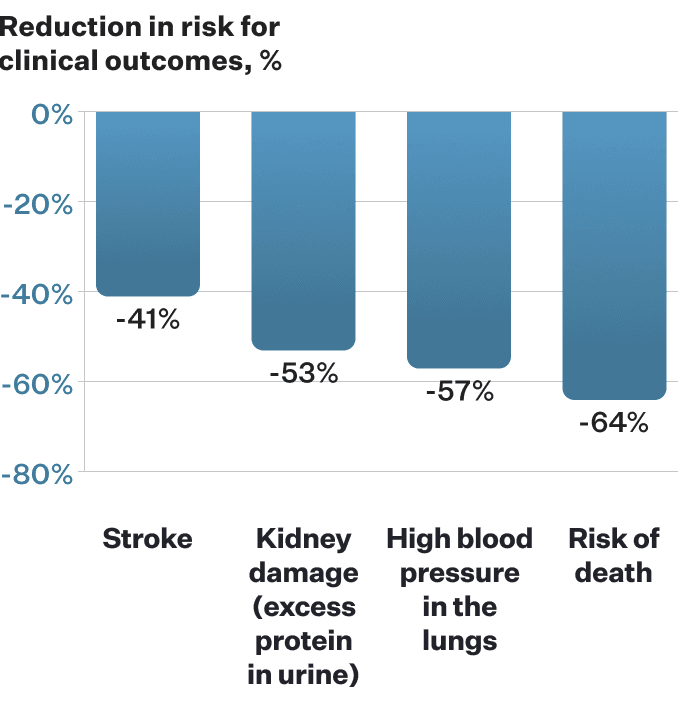
Predicted decrease in risk for clinical outcomes associated with a ≥1 g/dL increase in hemoglobin

Bar chart showing the predicted decrease in risk for clinical outcomes associated with a >1 g/dL increase in hemoglobin in sickle cell diseaseBar chart showing the predicted decrease in risk for clinical outcomes associated with a >1 g/dL increase in hemoglobin in sickle cell disease

Researchers reviewed 2820 publications (January 1, 1998, to February 26, 2019) and included 41 studies that examined hemoglobin levels and clinical outcomes in people with sickle cell disease. Studies covered various sickle cell types and therapies. Using data from these studies, they combined the findings in a model to estimate how outcomes might change when hemoglobin levels increased by 1 g/dL or more.
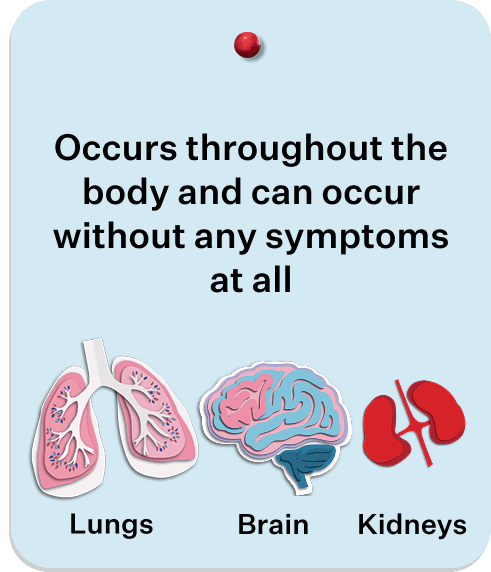
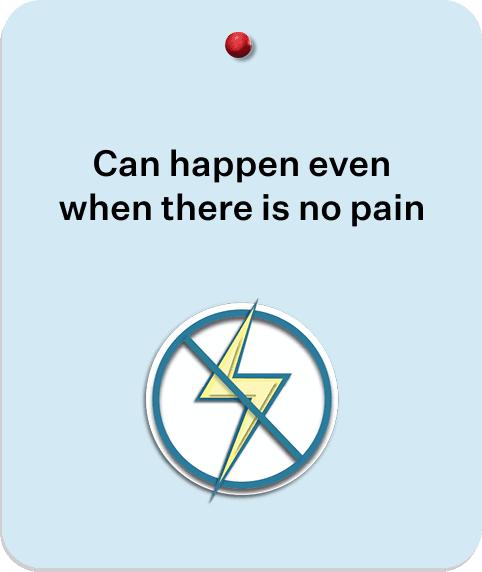
Hemolysis and low hemoglobin can cause both short-term
and long-term organ damage

Organ damage:

Pinned card showing organ damage can occur throughout the body and without symptoms
Icon of a lightning bolt inside a circle with a line drawn through it, with text that says ‘Can happen even when there is no pain’
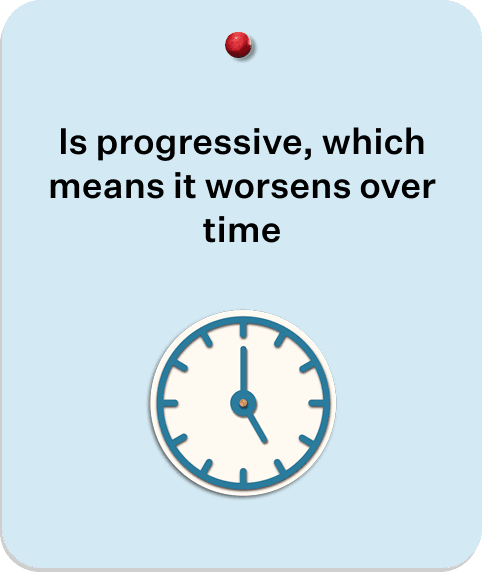
Icon of a clock, with text that says ‘Is progressive, which means it worsens over time’
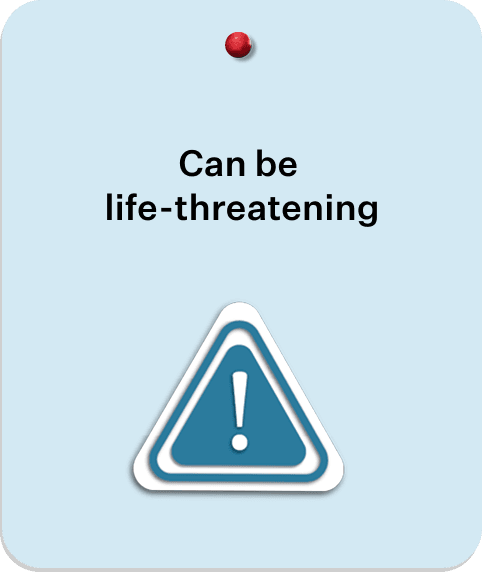
Icon of an exclamation point inside a triangle, with text that says ‘Can be life-threatening’

Organ damage is a leading cause of death in people with sickle cell disease. Working with your doctor to establish a regular monitoring plan may help catch problems early.